
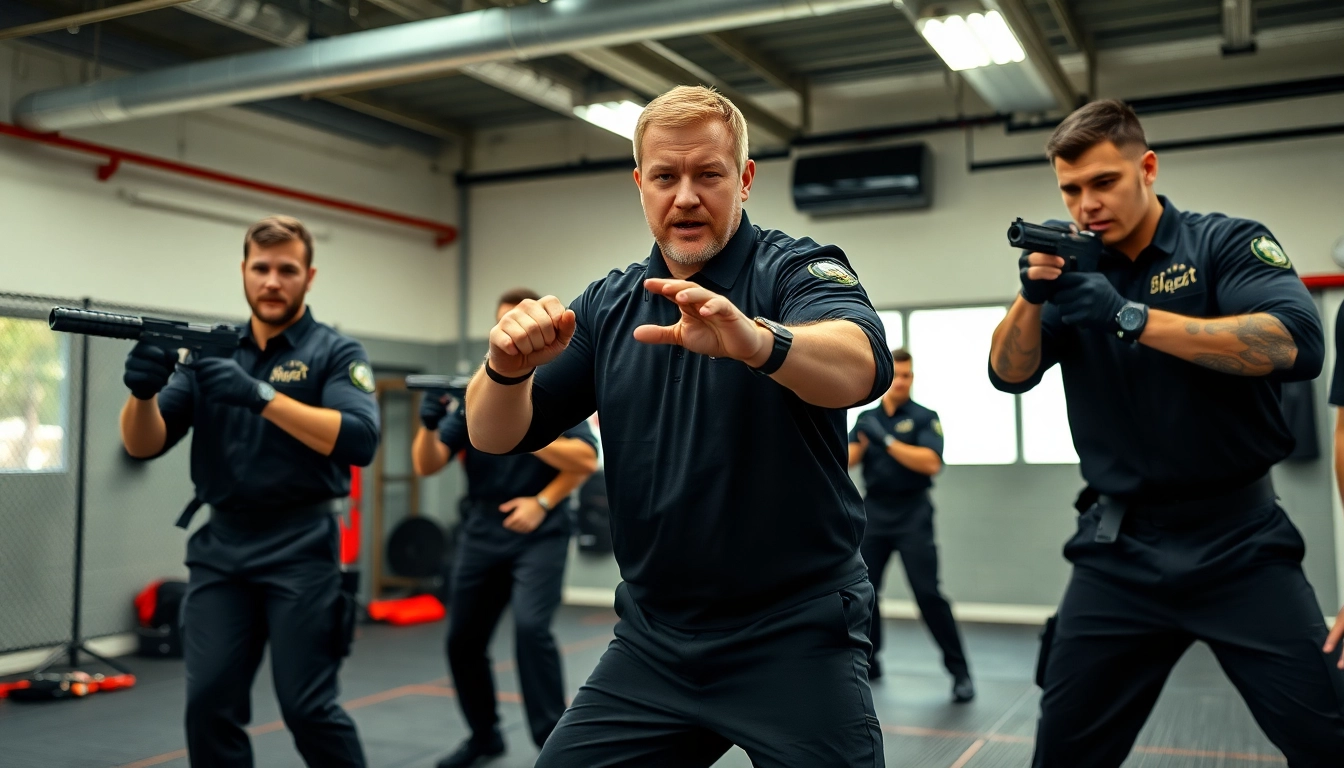
Introduction to the Professional Body Guard Program
What is the Professional Body Guard Program?
The Professional Body Guard Program is an advanced training initiative designed to equip individuals with the essential skills and knowledge required in the field of personal security. This program encompasses a series of comprehensive training modules that focus on various aspects of bodyguarding, including physical fitness, legal and ethical considerations, and risk assessment strategies. The course combines theoretical knowledge with practical application, ensuring that candidates are well-prepared for real-world challenges they may face in the field.
Importance of Bodyguards in Today’s Society
In a world where risks and uncertainties are increasingly prevalent, the role of bodyguards has become more significant than ever. Whether for celebrities, high-profile business executives, or individuals facing potential threats, trained bodyguards are essential for ensuring personal safety. Their expertise not only serves to protect but also to enhance the sense of security for their clients. Bodyguards must navigate complex social dynamics, communicate effectively, and demonstrate unwavering commitment to their client’s safety, making the Professional Body Guard Program crucial for those looking to excel in this industry.
Core Skill Sets Developed in the Program
The Professional Body Guard Program fosters a variety of core skill sets that are imperative for efficient personal protection. Participants are trained in defensive tactics, threat recognition, emergency response, conflict resolution, and physical fitness. Additionally, they develop essential soft skills such as communication, empathy, and decision-making. These skills are not only vital for immediate protective duties but also play an integral role in building trust and rapport with clients, which is crucial for successful security operations.
Key Components of the Program
Physical Training and Fitness Standards
Physical fitness is foundational in the bodyguard profession. The Professional Body Guard Program emphasizes rigorous physical training to ensure that participants meet the demanding fitness standards required for the job. Training includes strength conditioning, endurance training, and self-defense techniques designed to enhance physical capabilities while preparing participants to handle potentially dangerous situations effectively. A secure and fit bodyguard is more capable of ensuring client safety and responding swiftly in emergencies.
Legal and Ethical Considerations
Understanding legal frameworks and ethical guidelines is crucial in the realm of personal security. The Professional Body Guard Program includes comprehensive modules on the laws governing self-defense, privacy rights, and the ethical responsibilities of a bodyguard. This foundation empowers bodyguards to operate within the legal parameters while maintaining the highest ethical standards in their conduct. By understanding these considerations, graduates can make informed decisions that safeguard both their clients and themselves from liability.
Situational Awareness and Risk Assessment
One of the most critical skills taught in the Professional Body Guard Program is situational awareness. Bodyguards must be adept at assessing their environments and identifying potential threats before they escalate into dangerous situations. Training includes techniques for conducting thorough risk assessments, evaluating the dynamics of various scenarios, and developing response strategies that prioritize client safety. This proactive approach is essential in mitigating risks and ensuring a secure environment for clients.
Career Opportunities in Private Security
Advancement Paths After Completion
Upon completing the Professional Body Guard Program, graduates find themselves well-positioned to explore various career paths within the private security industry. Opportunities include personal security for high-net-worth individuals, close protection for leaders in corporate environments, and specialized roles in event security. Furthermore, experienced bodyguards often advance into supervisory or training roles, imparting their knowledge to newcomers in the field.
Job Roles and Responsibilities
Bodyguards wear many hats, and their roles can encompass a wide range of responsibilities that depend on the client’s needs. Common job duties include conducting security assessments, planning secure transportation routes, executing protective measures during events, and acting as a visible deterrent to threats. Additionally, bodyguards must maintain constant communication with clients to ensure their needs and preferences are addressed, thus establishing a secure and adaptable protective presence.
Industry Demand for Trained Professionals
The demand for trained security professionals continues to rise as personal safety concerns grow. Organizations across various sectors—entertainment, politics, and corporate environments—seek proficient bodyguards to navigate the complexities of modern threats. The specialized knowledge gained through the Professional Body Guard Program equips graduates with a competitive edge, making them highly sought after in a burgeoning industry that values training and expertise.
FAQs about the Professional Body Guard Program
What qualifications are needed to join the program?
Candidates should possess a high school diploma, demonstrate physical fitness, and have a keen interest in personal security. Prior experience in law enforcement or military service is advantageous but not mandatory.
How long does the training take?
Training duration varies by program, typically ranging from a few weeks to several months, depending on course depth and certification levels offered.
What theories are covered in the program?
The program includes risk management theories, legal frameworks in personal security, communication techniques, and methods of conflict resolution, providing a holistic foundation for effective practice.
Are there any physical requirements for trainees?
Yes, physical fitness is essential. Trainees are expected to meet specific health and fitness benchmarks to ensure they can perform the duties required of personal security professionals.
What is the job placement rate for graduates?
Graduates of the program generally have a high job placement rate due to the growing demand for trained bodyguards in various sectors, and many find roles soon after completing their training.
Success Stories and Testimonials
Real-life Applications of the Program
Successful alumni of the Professional Body Guard Program often share impactful experiences that highlight the program’s effectiveness. One notable example involves a graduate who provided security for various celebrities during high-profile events, using skills learned in risk assessment and situational awareness to prevent threats effectively. Their success showcases how comprehensive training translates into real-world accomplishments in the security landscape.
Impact on Trainee Job Prospects
Graduates frequently report an improved ability to secure contracts and employment opportunities thanks to the rigorous training and reputation of the Professional Body Guard Program. Testimonials indicate that the skills acquired, coupled with the program’s recognition in the industry, significantly enhance job prospects and career growth.
Community Perception of Trained Bodyguards
The perception of bodyguards within communities has evolved positively, often being seen as essential protectors rather than mere enforcers. Graduates of the Professional Body Guard Program contribute to this shift by demonstrating professionalism, ethical conduct, and commitment to client welfare, fostering a trustful relationship between bodyguards and the public.