
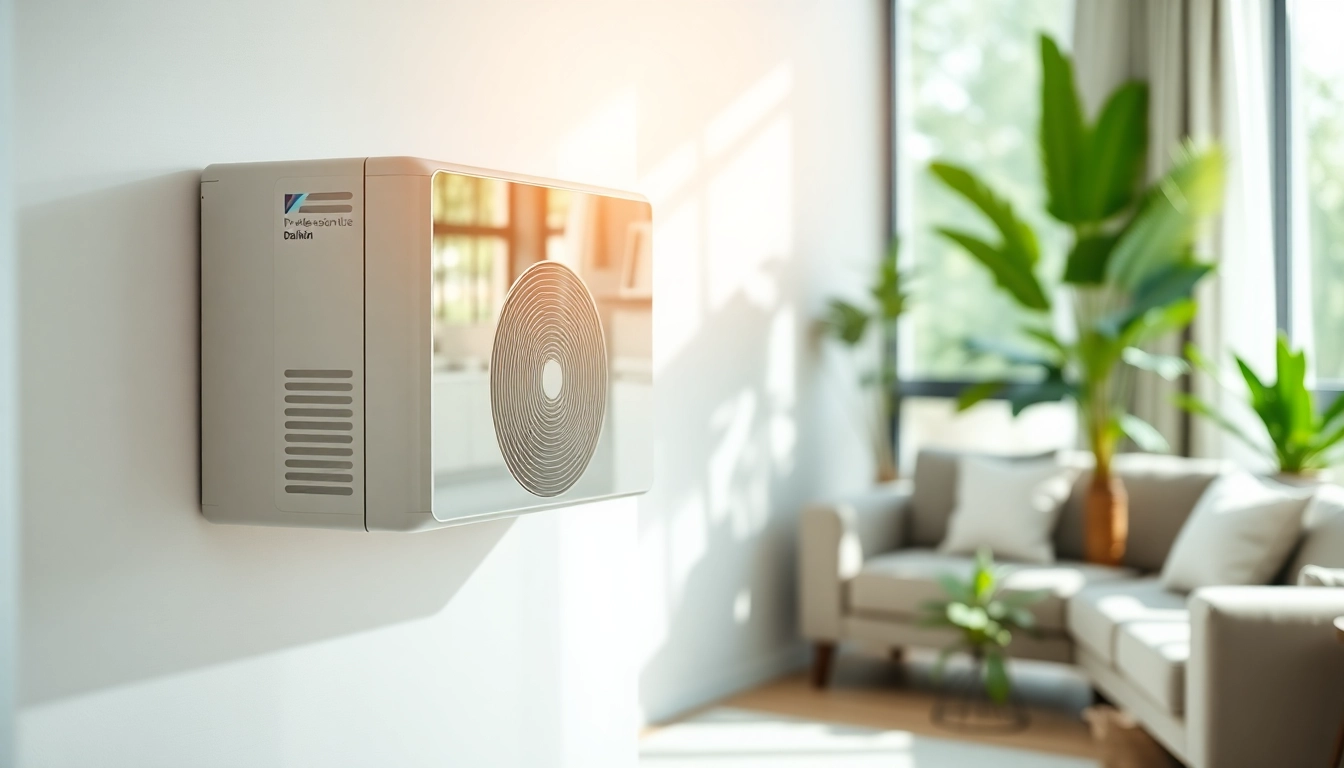
Understanding Daikin Mini Split AC Systems
What Is a Daikin Mini Split AC?
A Daikin Mini Split AC is a sophisticated air conditioning system designed to provide efficient cooling and heating directly to specific zones within your home or commercial space. Unlike traditional central air conditioning systems, mini splits consist of both an outdoor compressor unit and one or more indoor air-handling units. This design allows for increased flexibility, improved energy efficiency, and reduced installation costs, making them an ideal solution for various spaces. The customizable nature of daikin mini split ac systems meets the needs of diverse living conditions, whether it’s a compact apartment or a spacious house.
Key Features of Daikin Mini Split AC
Daikin mini split systems boast several key features that set them apart from traditional HVAC systems:
- Energy Efficiency: Many models come with high Seasonal Energy Efficiency Ratios (SEER), leading to significant energy savings.
- Flexible Installation: Installing mini splits requires less space and is generally simpler, as they don’t need extensive ductwork.
- Individual Room Control: Each indoor unit can be set to different temperatures, allowing for personalized comfort throughout your space.
- Quiet Operation: With advanced technology, these units operate quietly, making them suitable for bedrooms and study areas.
- Heating Capability: Many models are equipped with heat pump technology, allowing heating during colder months.
Types of Daikin Mini Split AC Systems
Daikin offers a variety of mini split AC systems to cater to different needs:
- Single Zone Systems: Ideal for cooling or heating a single room, these systems are perfect for apartments or small homes.
- Multi-Zone Systems: Capable of servicing multiple rooms, these systems allow homeowners to customize climate control in several zones.
- Floor-Mounted Units: These units are installed at ground level and are great for spaces with limited wall space.
- Ceiling Cassette Units: Designed for installation in the ceiling, they provide discreet and efficient air distribution.
- Wall-Mounted Units: These are the most common type, mounted high on walls to maximize airflow.
Benefits of Using Daikin Mini Split AC
Energy Efficiency Explained
One of the most significant benefits of using a Daikin mini split AC system is its energy efficiency. By eliminating ductwork, these systems reduce energy losses, which can be as high as 30% in traditional systems. Daikin’s inverter technology adjusts the compressor speed according to the cooling or heating demand, resulting in lower energy consumption and utility bills. This efficiency not only saves money but also reduces your carbon footprint, making it an environmentally friendly option.
Advanced Climate Control
Daikin mini split AC systems offer precise climate control that surpasses traditional HVAC systems. Each indoor unit can be operated independently, allowing for customized temperatures in different rooms or zones. This means you can keep living areas cooler while preserving warmth in bedrooms, promoting overall comfort. The ability to maintain different climates contributes significantly to personal comfort preferences, making these systems particularly appealing in households with varied needs.
Space-Saving Design Advantages
With no need for bulky ductwork, Daikin mini split systems offer a space-saving solution that can fit seamlessly into any room. Their compact design is not only practical but aesthetically pleasing, allowing for better interior design flexibility. You can install the indoor units where they are most effective without compromising the space’s function or look. This adaptability is especially beneficial in homes with limited space, such as apartments and condos.
Installation Process for Daikin Mini Split AC
Preparation Steps for Installation
Before installing a Daikin mini split AC, it’s essential to assess your space and plan carefully:
- Determine AC Size: Conduct a load calculation to determine the appropriate size or BTU rating for your unit. This ensures optimal cooling and efficiency.
- Select Installation Locations: Choose optimal spots for indoor units that allow for maximum airflow and aren’t obstructed by furniture or other obstructions.
- Gather Tools and Supplies: Ensure you have all necessary tools, such as a drill, stud finder, level, wrench, and any additional materials required for installation.
- Consult Local Codes: Check local building codes and regulations to ensure compliance throughout the installation process.
Step-by-Step Installation Guide
While professional installation is always recommended, here’s a general step-by-step guide for those looking to install their Daikin mini split AC:
- Mount the Indoor Unit: Secure the indoor unit to the wall using a mounting bracket, ensuring it is level and within close proximity to the outdoor unit.
- Install the Outdoor Unit: Place the outdoor unit on a stable, level surface, either on a concrete slab or wall mount brackets.
- Run Refrigerant Lines: Connect the indoor and outdoor units with insulated refrigerant lines, ensuring all connections are secure and leak-free.
- Connect Electrical Wiring: Follow the manufacturer’s wiring diagram to connect the power supply and communication lines.
- Test the System: Once installed, test the system to confirm it is operating correctly and efficiently before sealing up any walls or holes.
Common Mistakes to Avoid
Avoid common installation pitfalls to ensure your Daikin mini split AC operates efficiently:
- Improper Sizing: Using a unit that is too small or too large can lead to inefficiency and premature system failure.
- Poor Location Choices: Installing units in locations with poor airflow can reduce performance and comfort levels.
- Neglecting Insulation: Ensure the lineset is properly insulated to prevent energy loss and maximize efficiency.
- Skipping Electrical Checks: Always verify electrical connections are secure, as poor wiring can lead to system malfunction.
Maintaining Your Daikin Mini Split AC
Regular Maintenance Tips
To ensure your Daikin mini split AC operates optimally, regular maintenance is crucial. Here are a few tips:
- Cleaning Filters: Clean or replace filters every month to maintain airflow and efficiency.
- Inspect Refrigerant Levels: Schedule regular service checks to ensure refrigerant levels are adequate and free from leaks.
- Check Condensate Drain: Regularly inspect the condensate drain to prevent blockage, ensuring proper humidity control.
- Inspect Indoor and Outdoor Units: Regular visual inspections help catch potential issues early, keeping maintenance costs low.
Signs That Your Unit Needs Repair
Stay alert for signs that indicate your Daikin mini split AC may need repair:
- Unusual Noises: Grinding, squealing, or rattling noises can signify mechanical issues.
- Inadequate Cooling: A lack of consistent temperature regulation indicates potential refrigerant issues or mechanical failures.
- Frequent Cycling: If your unit turns on and off rapidly, it may signify an electrical issue or poor insulation.
- Leaking Refrigerant: Visible signs of refrigerant leaks require immediate service to prevent hazardous situations.
How to Extend Your AC’s Lifespan
Maximizing the lifespan of your Daikin mini split AC can be achieved through several best practices:
- Regular Professional Inspections: Schedule seasonal maintenance checks with an HVAC professional to catch issues before they escalate.
- Keep Outdoor Unit Clear: Ensure that the area around your outdoor unit is free from debris to promote airflow and prevent mechanical strain.
- Utilize Smart Thermostats: Smart temperature control can reduce unnecessary wear on components by optimizing system usage.
- Act Quickly on Repairs: Addressing any signs of trouble as soon as they arise can prevent costly damages in the long run.
Cost Considerations of Daikin Mini Split AC
Initial Investment vs. Long-term Savings
The initial investment in a Daikin mini split AC system may seem higher than traditional units, but consider the long-term savings. The high energy efficiency reduces monthly utility costs significantly, often recouping the initial investment within a few years of use. Additionally, the lack of ductwork reduces installation costs and associated maintenance expenses.
Financing Options for Purchase
Many retailers offer financing options for purchasing a Daikin mini split AC, including manageable installment plans and credit options. Check if your local HVAC suppliers provide financing or promotional offers that can help ease the upfront costs. Additionally, you might explore government incentives or rebates for energy-efficient systems, further enhancing affordability.
Comparing Costs with Other AC Systems
When comparing costs with other AC systems, consider not just the initial purchasing price but also the installation costs and long-term operational expenses. While central air conditioning systems may have a lower upfront cost, the added expenses of duct installation and higher energy costs can make Daikin mini split AC systems a more cost-effective option over time.
FAQs:
1. How often should I maintain my Daikin mini split AC?
Regular maintenance is recommended twice a year to ensure optimal performance.
2. Can a Daikin mini split AC heat as well?
Yes, many Daikin mini split systems offer heating capabilities in addition to cooling.
3. Is professional installation necessary?
While DIY is possible, professional installation ensures efficiency and warranty protection.
4. What is the average lifespan of a Daikin mini split AC?
With proper maintenance, a Daikin mini split AC can last 15-20 years.
5. How do I tune up my Daikin mini split AC?
Cleaning filters, checking refrigerant levels, and ensuring vents are clear are essential steps.