Understanding OEM Clothing Manufacturers
In the garment industry, the complexity of production and the need for high-quality goods often lead brands to seek outside partners. This is where OEM clothing manufacturers come into play. These manufacturers can provide essential services that help brands streamline their operations and ensure product quality. Understanding what they do and how they function can empower businesses to make informed decisions about their manufacturing processes.
What is OEM Manufacturing?
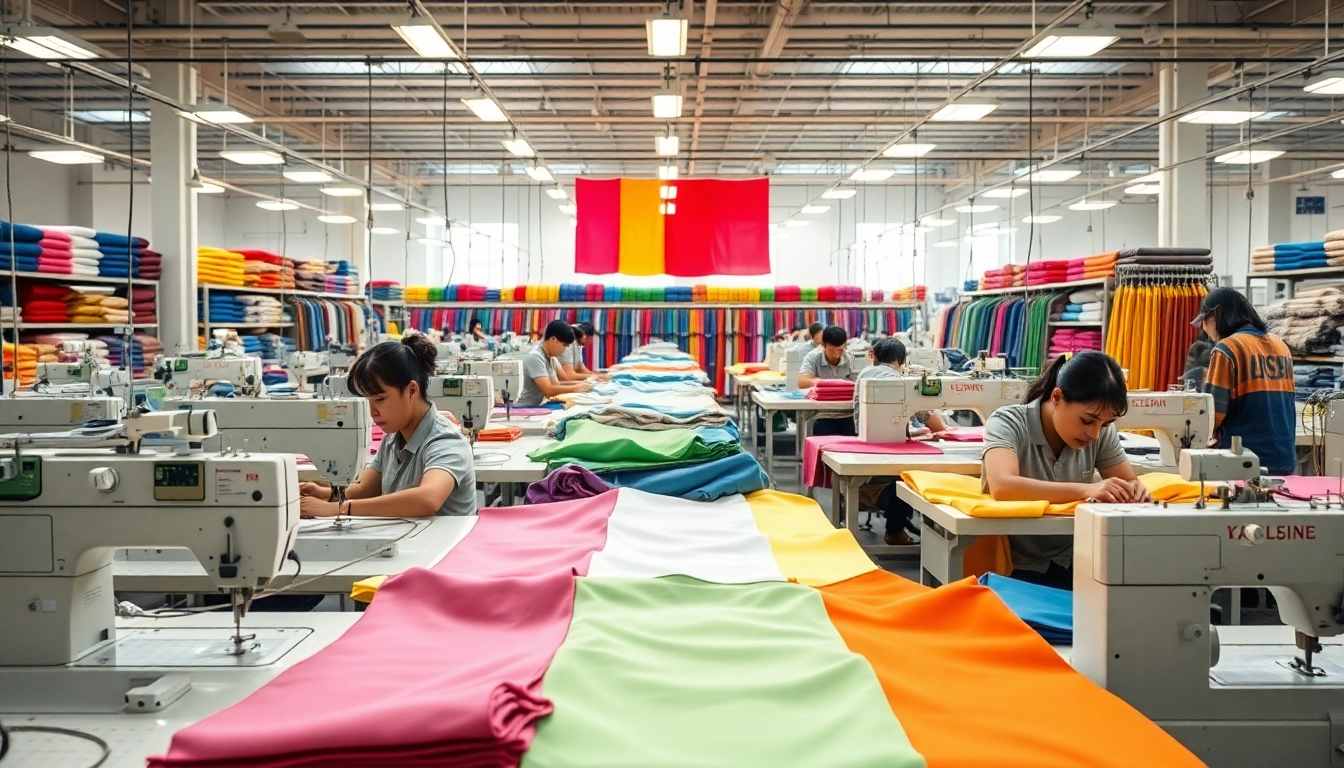
OEM, or Original Equipment Manufacturer, refers to a type of company that produces parts or finished products for another company to sell under its own brand name. In the clothing sector, OEM manufacturers play a crucial role by taking the design provided by a brand and transforming it into a tangible product. This involves everything from sourcing materials to final production, quality control, and sometimes even shipping. OEM manufacturing allows brands to leverage specialized expertise and infrastructure without the burden of setting up their own facilities.
Benefits of OEM Clothing Manufacturers
Working with OEM clothing manufacturers comes with numerous advantages:
- Cost Efficiency: By outsourcing production, brands can save on the fixed costs associated with owning and operating manufacturing facilities.
- Access to Expertise: OEM manufacturers typically specialize in certain areas of production, offering brands access to skilled labor and advanced technologies not available in-house.
- Scalability: As demand fluctuates, brands can quickly scale production up or down without the complexities of managing staffing and equipment.
- Focus on Core Competencies: Companies can concentrate on their strengths, such as marketing and design, while leaving the manufacturing to the experts, resulting in better overall brand performance.
How OEM Clothing Manufacturers Operate
OEM clothing manufacturers typically follow a structured process to convert designs into finished products. This process includes:
- Design Collaboration: Brands collaborate with manufacturers to finalize technical designs, fabrics, and production timelines.
- Material Sourcing: OEMs often have established relationships with suppliers, ensuring a steady supply of materials that meet desired specifications.
- Production Setup: After confirming designs and materials, manufacturers prepare their production lines, ensuring quality standards align with brand requirements.
- Quality Assurance: Throughout production, quality checks ensure that each item meets the established standards before reaching the market.
- Logistics and Delivery: Many OEM manufacturers also handle logistics, offering brands the convenience of direct shipping to retailers or warehouses.
Choosing the Right OEM Clothing Manufacturers
Selecting the right OEM clothing manufacturer is critical to a brand’s success. The right partnership can enhance product quality while reducing costs and improving time-to-market. Here are key factors to consider:
Key Factors to Consider
When choosing an OEM, consider the following factors:
- Experience: Look for manufacturers with a proven track record in producing similar products. Their experience can ensure smoother production processes.
- Location: The geographical location can impact shipping costs, communication time, and potential tariffs.
- Reputation: Investigate the manufacturer’s reputation in the industry through reviews, case studies, and testimonials.
- Certifications: Compliance with international standards and certifications (like ISO) indicates a commitment to quality.
Evaluating Quality and Compliance
Quality control is vital in the OEM relationship. Ensure that the manufacturer has established protocols for quality assurance and compliance with industry standards. This might include inspecting raw materials, in-process checks, and out-of-the-box testing to maintain the utmost product integrity.
Analyzing Production Capabilities
Brands should evaluate a manufacturer’s production capabilities regarding volume, technology, and flexibility. This includes their ability to handle small batches for new product launches or bulk orders for established lines. Understanding these capabilities can help brands forecast their production needs better.
Collaboration with OEM Clothing Manufacturers
Building a successful collaboration with an OEM clothing manufacturer requires effective communication and shared goals. Establishing these early in the relationship can pave the way for successful outcomes.
Establishing Clear Communication
Open channels of communication are essential. Regular updates, feedback loops, and clear expectations about timelines and deliverables help foster a collaborative relationship. Utilizing project management tools can streamline the communication process and ensure all parties are on the same page.
Design and Development Process
The design and development phase is crucial in the OEM partnership. This phase may involve multiple rounds of samples and revisions, requiring feedback from both the brand and the manufacturer. Prototyping helps catch potential issues early, saving both time and costs later.
Managing Timelines and Expectations
Timelines must be well-communicated and adhered to. Brands should set realistic deadlines and account for potential delays due to material sourcing or production constraints. Clear expectations help manage anxiety on both sides and ensure that the final product launches successfully.
Challenges Faced in OEM Manufacturing
While partnering with OEM clothing manufacturers offers several benefits, it is not without challenges. A proactive approach can help brands navigate these potential hurdles effectively.
Quality Control Issues
Quality control can be a significant challenge. Brands need to establish comprehensive quality assurance practices. Regular audits and inspections, combined with feedback mechanisms, ensure production remains in line with the expected quality standards.
Supply Chain Management
Supply chain disruptions can affect manufacturing timelines. Brands should maintain robust relationships with multiple suppliers to mitigate risks. Developing contingency plans allows for quick adjustments when issues arise.
Intellectual Property Concerns
Working with OEM manufacturers can raise intellectual property (IP) concerns. Brands need to ensure that their designs, trademarks, and proprietary information are secure. Legal agreements outlining IP rights and responsibilities are crucial for safeguarding brand assets.
Future Trends in OEM Clothing Manufacturing
The landscape of OEM clothing manufacturing is continually evolving. Brands must remain adaptable to take advantage of emerging trends that can enhance their operations.
Sustainability Practices
As consumer demand for sustainable fashion grows, OEM clothing manufacturers are increasingly focusing on eco-friendly practices. This includes sourcing organic materials, utilizing renewable energy, and minimizing waste through efficient production techniques. Brands collaborating with sustainable OEMs can appeal to environmentally conscious customers while reducing their ecological footprint.
Technological Advancements
The integration of technology in manufacturing is transforming the OEM sector. Innovations such as automation, AI, and advanced manufacturing methods enhance efficiency and accuracy. Brands that leverage these technologies can achieve faster production times and better product consistency, setting them apart in a competitive market.
Shifting Consumer Preferences
As consumer preferences continue to evolve, OEM clothing manufacturers must adapt to meet these changing demands. Customization, rapid response to trend changes, and alternative materials are more relevant than ever. Manufacturers who can pivot quickly to reflect consumer interests can provide their brand partners with a competitive edge.
FAQs
What is OEM manufacturing?
OEM manufacturing refers to original equipment manufacturing, where a company produces parts or products for another company under the latter’s brand.
How do I choose an OEM clothing manufacturer?
Evaluate potential manufacturers by considering their experience, product quality, compliance with regulations, and communication capabilities.
What are the benefits of working with OEM clothing manufacturers?
OEM clothing manufacturers can offer cost efficiencies, specialized expertise, scalability, and access to advanced machinery and technologies.
What challenges can arise with OEM clothing manufacturers?
Challenges include quality control, supply chain issues, and protection of intellectual property rights.
How can sustainability be integrated into OEM manufacturing?
Sustainability practices can include using eco-friendly materials, optimizing production processes, and reducing waste throughout manufacturing.