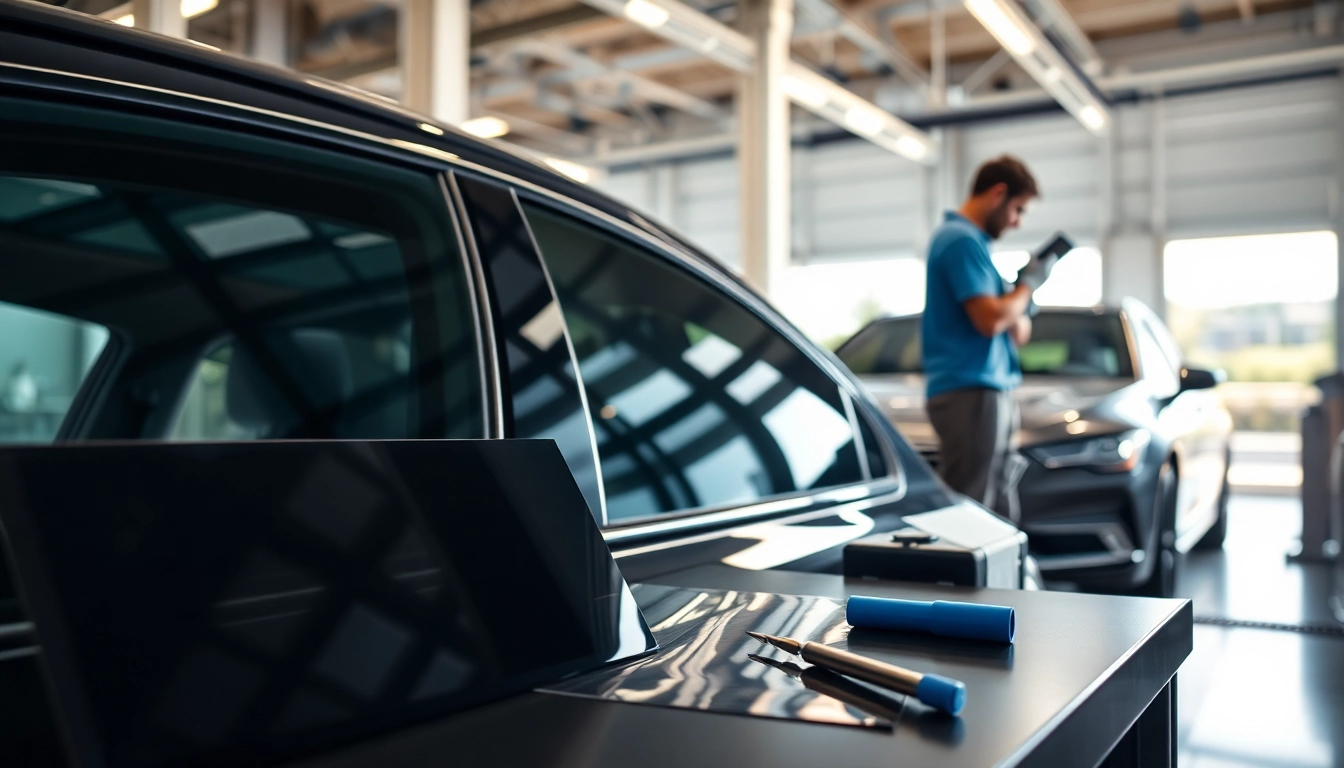
Understanding Auto Window Tint
What is Auto Window Tint?
Auto window tint refers to a thin film or laminate that is applied to the windows of vehicles. This window film serves multiple purposes, including privacy enhancement and UV protection. It can be made from various materials, such as dyed polyester, metalized film, or ceramic. Each type offers different levels of visibility, heat reduction, and UV filtering, allowing vehicle owners to choose a tint that best suits their needs and preferences.
Benefits of Using Auto Window Tint
The installation of auto window tint can provide numerous benefits. Firstly, it enhances privacy by reducing visibility into the car, making it ideal for those who value their personal space. Secondly, window tints block a significant amount of harmful UV rays, protecting passengers from skin damage and reducing the risk of skin cancer. Additionally, tinted windows can keep the vehicle cooler by blocking solar heat, leading to increased comfort during warm weather and reduced reliance on air conditioning, thereby improving fuel efficiency.
Different Types of Window Tints
When seeking auto window tint, it's important to consider the various types available:
- Dyed Window Tint: This type uses a layer of dye to absorb heat and reduce glare. It is often the most affordable option but may not offer significant UV protection.
- Metalized Window Tint: Consisting of metallic particles, this tint reflects heat and blocks UV rays effectively. However, it can interfere with electronic signals.
- Ceramic Window Tint: Offering superior heat rejection and UV protection, ceramic tints do not conduct heat and maintain signal clarity for electronic devices.
Choosing the Right Auto Window Tint Near Me
Factors to Consider When Selecting Tint
When looking for auto window tint near me, consider factors such as the vehicle's color, window type, and local regulations. Additionally, assess the level of tint darkness suited for your needs and preferences. Professional installation quality can also vary; thus, researching reviews and seeking recommendations is advisable.
Local Regulations and Compliance
Each state has specific laws regarding window tinting. These laws dictate the allowable levels of darkness and the types of tint that can be used on various windows of vehicles. For example, some regions may have more lenient laws for rear windows than for front side windows. Before installing window tint, it’s crucial to familiarize oneself with these regulations to avoid potential fines and ensure compliance.
Professional vs. DIY Installation
When it comes to window tint application, vehicle owners generally have two options: professional installation and DIY. Professional installation usually guarantees quality workmanship, as experts have the experience and tools necessary for a flawless finish. On the other hand, DIY installations can be a cost-effective approach; however, they require a good understanding of the process and may lead to mistakes if not executed properly, including bubbling and peeling.
The Installation Process of Auto Window Tint
Preparation for Tinting Your Vehicle
Before installing auto window tint, prepare your vehicle thoroughly. This involves cleaning the windows effectively to remove dirt, dust, and grease, as contaminants can negatively impact adhesion. It’s also advisable to gather all necessary tools, including a squeegee, utility knife, and measuring tape, before beginning the installation process.
Step-by-Step Installation Guide
- Measure Windows: Carefully measure the windows that will be tinted to ensure that the film is cut to the correct size.
- Cut the Film: Using the measurements taken, cut the window film accordingly, making sure to leave a small margin for adjustments.
- Moisten the Glass: Spray a solution of water and a few drops of dish soap on the window to facilitate film placement and reduce the chances of bubbles.
- Apply the Film: Carefully place the film on the window, using a squeegee to eliminate air bubbles and ensure a smooth, even finish.
- Trim Excess Film: After the film has been applied, use a utility knife to trim away any excess material around the edges of the window.
Common Mistakes to Avoid
While installing window tint, be vigilant about common mistakes that can compromise the results. Avoid rushing through the cleaning process, as any contaminants can lead to adhesive failure. Additionally, improper measuring or cutting can result in ill-fitting film. Finally, not allowing enough drying time can cause premature peeling or bubbling, so patience is crucial in the installation process.
Maintaining Your Auto Window Tint
Care Tips for Long-Lasting Tint
To ensure the longevity of your auto window tint, adopt proper care practices. This includes using a gentle window cleaner and avoiding ammonia-based products that can break down the tint. It is also advisable to wait at least 30 days before cleaning windows post-installation to allow the adhesive to cure. Regularly inspect the film for any lifting at the edges and promptly address any issues that arise.
Signs Your Tint Needs Replacement
Window tint may require replacement if you notice signs such as bubbling, fading, cracking, or peeling. If the film appears discolored or is failing to block heat effectively, it’s time to consider a replacement. Periodic checks will help you address these issues early, ensuring that your vehicle maintains its aesthetics and protective benefits.
Effect of Weather on Window Tint
Weather conditions can significantly affect the performance and durability of window tint. Extreme heat can cause tint film to bubble or peel, while freezing temperatures may lead to cracks. To mitigate these effects, park your vehicle in a covered area or garage whenever possible, and avoid exposing your car to drastic temperature changes.
Frequently Asked Questions About Auto Window Tint
How long does auto window tint last?
Auto window tint can last anywhere from 5 to 15 years, depending on the quality of the materials used and maintenance practices. Higher-quality films often have longer lifespans.
Is window tinting legal in my area?
Window tinting laws vary by state and can depend on the type of vehicle. Consulting local regulations or law enforcement can clarify permissible tint levels for your location.
Can I wash my car after getting window tint?
It's recommended to wait at least 30 days after installation before washing your car to allow the adhesive to fully cure. After this period, you can wash your vehicle gently.
What are the health benefits of window tinting?
Window tinting blocks harmful UV rays, which can reduce the risk of skin cancer and protect passengers from prolonged sun exposure, enhancing overall health during travel.
Is it worth investing in professional installation?
Yes, professional installation often ensures high-quality results, a perfect fit, and adherence to legal standards, making it a worthwhile investment for lasting benefits.